Toorunt AI
The bottleneck isn't code. It's accountability. Toorunt is the engineering organisation around the model: one bot per teammate, fourteen hard gates, three human decisions, and every action on the record.
- Problem
AI already writes the code — 75% of Google's new code is AI-generated — yet 95% of enterprise GenAI pilots show no measurable P&L impact. Teams have more tickets than engineers, and nobody can say who approved an AI change or prove it was tested before it shipped.
- What we built
-
A platform that takes each ticket from plan to release inside the customer's own Jira and GitHub. Each bot gets its own least-privilege Jira and GitHub identity. Review is bot-to-bot and adversarial, and it gates the merge. People sign off only on the plan, the pull request and the merge.
A contract compiler turns a signed PRD into acceptance tests, and each test must fail before any code is written. Builds run as distributed work packets with Redis leases and fencing tokens. Code is built in one place and judged in another: CodeBuild makes the image, credential-less Fargate sandboxes verify it. Every decision lands in a hash-chained audit log — intact, or provably altered.
- Result
The founding run went from idea to deployed product in 2 h 36 min. A ticket on a demo codebase went from intake to deployed release in 2 h 51 min. Release CI passed 11,153 tests with 0 failures, and a staging run of 4 work packets on 3 workers reached 100% first-pass success. On SWE-bench Lite, true resolution with red-to-green proof is ~76%.
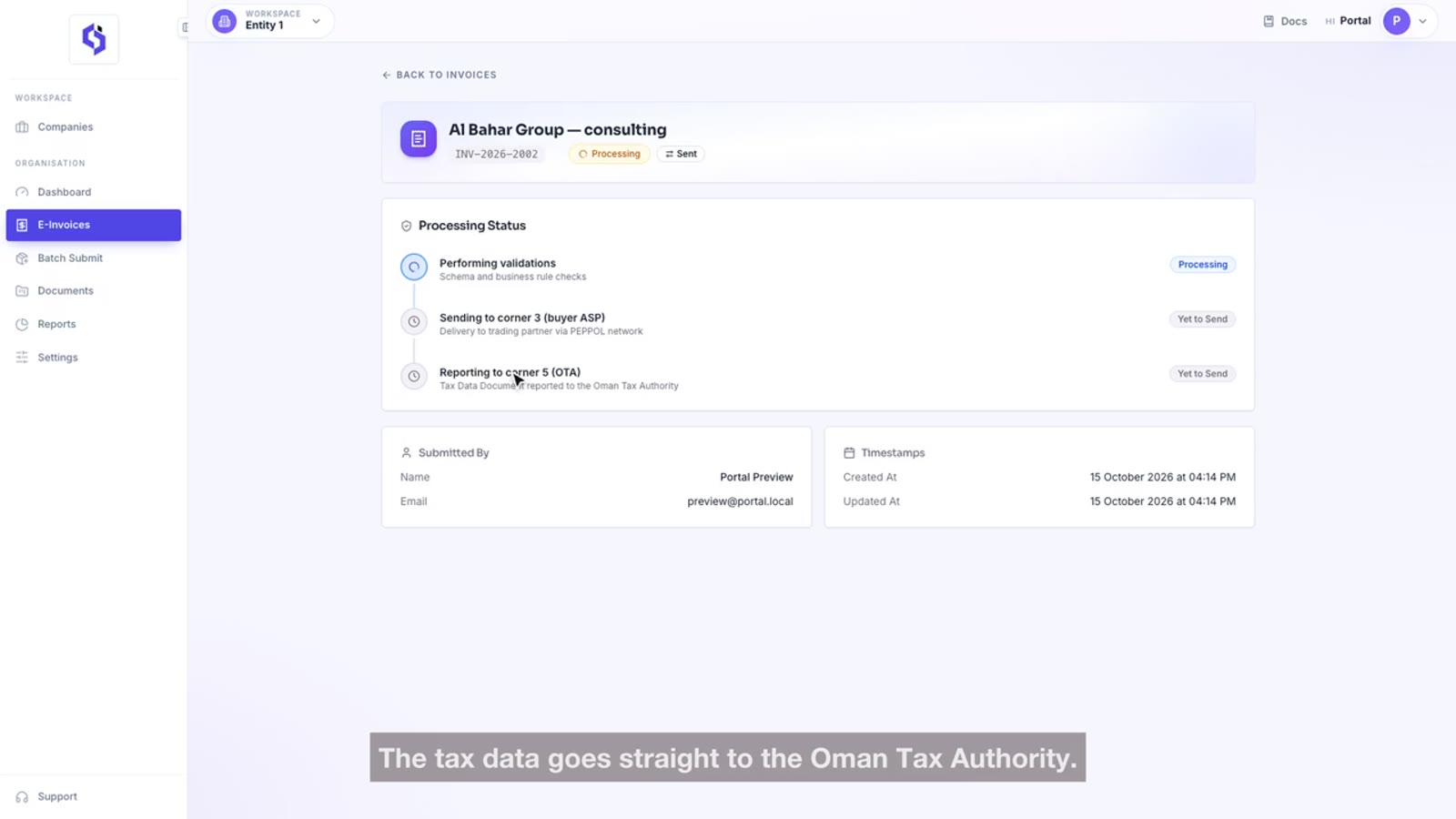
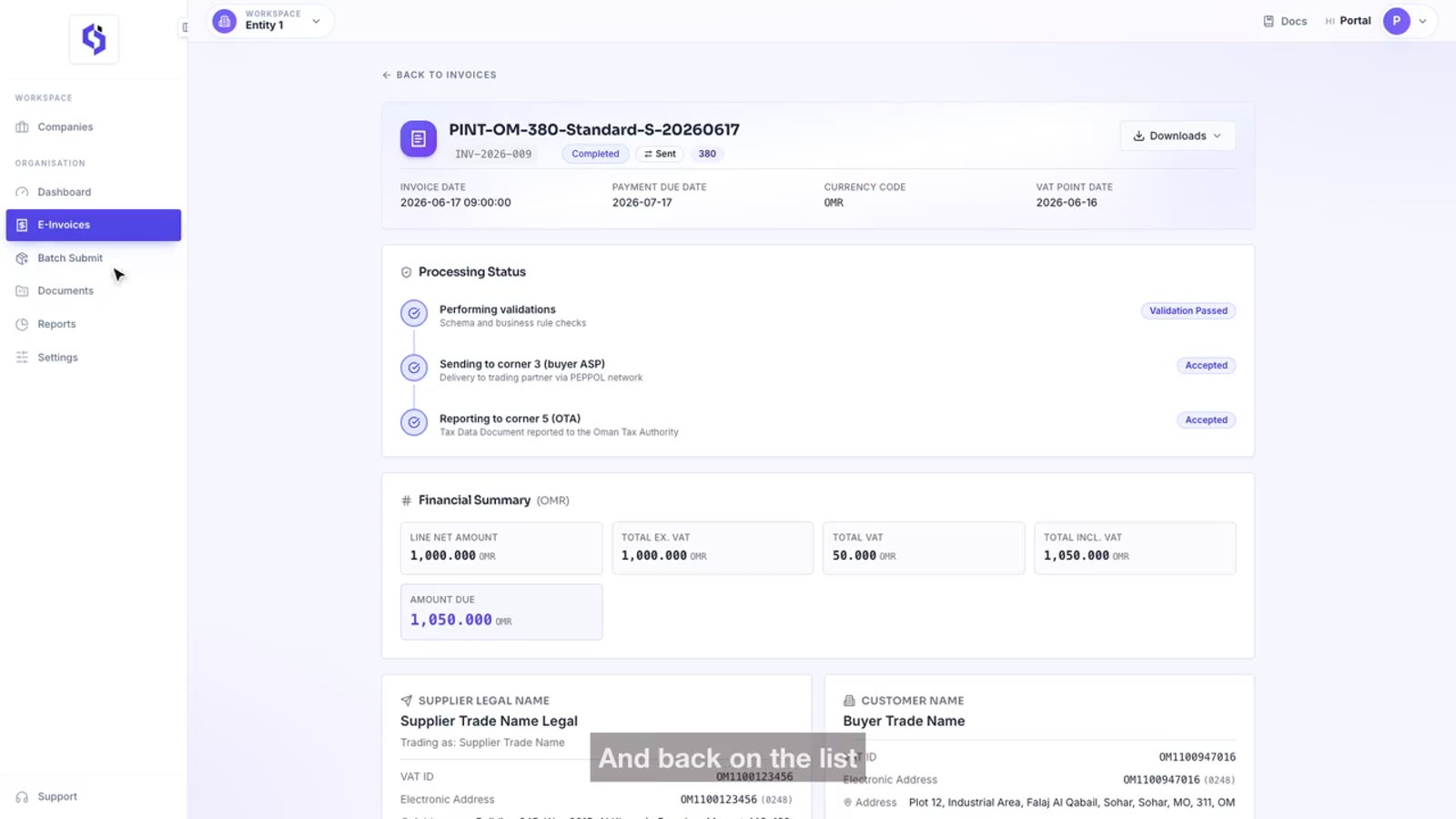
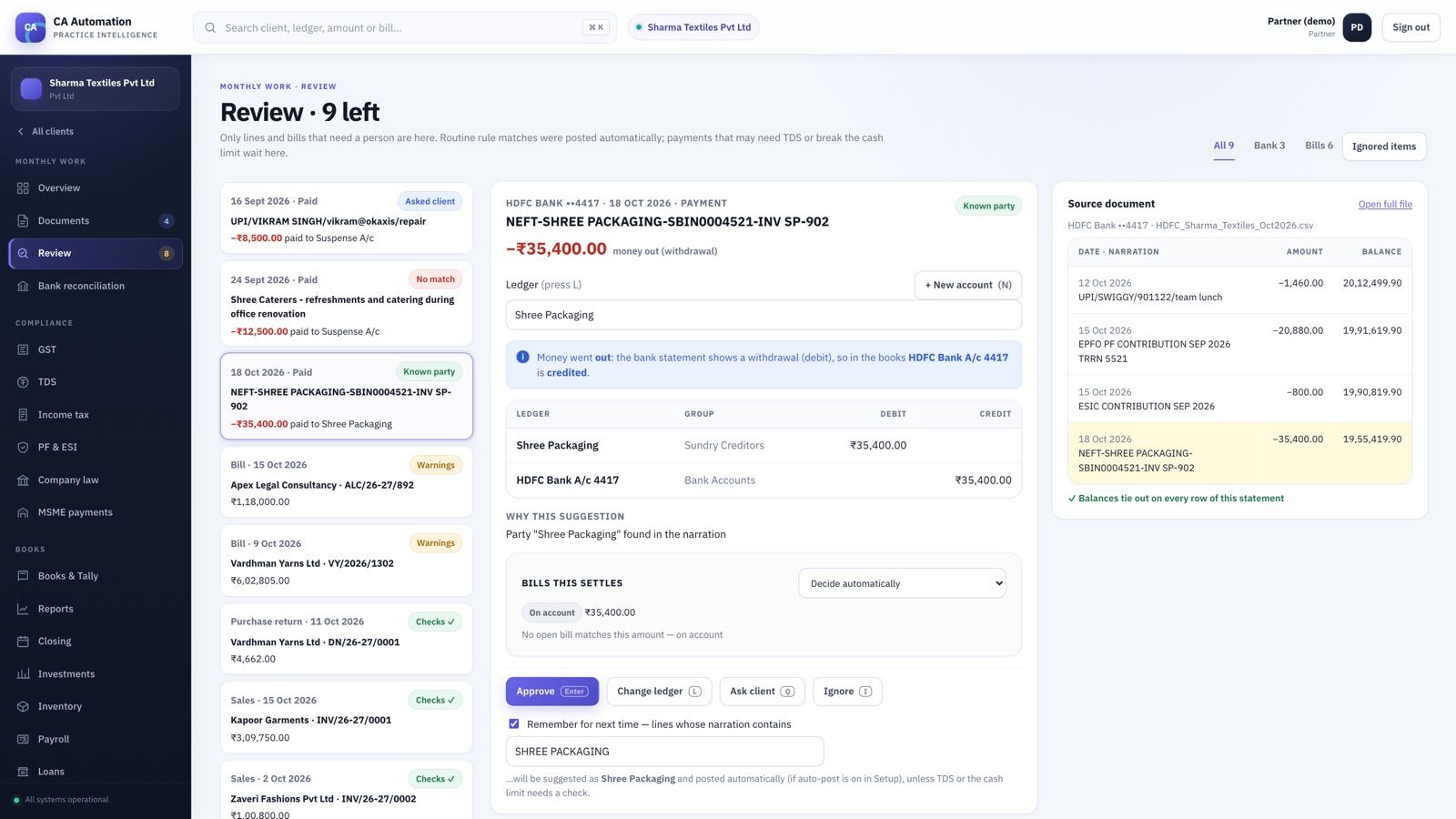
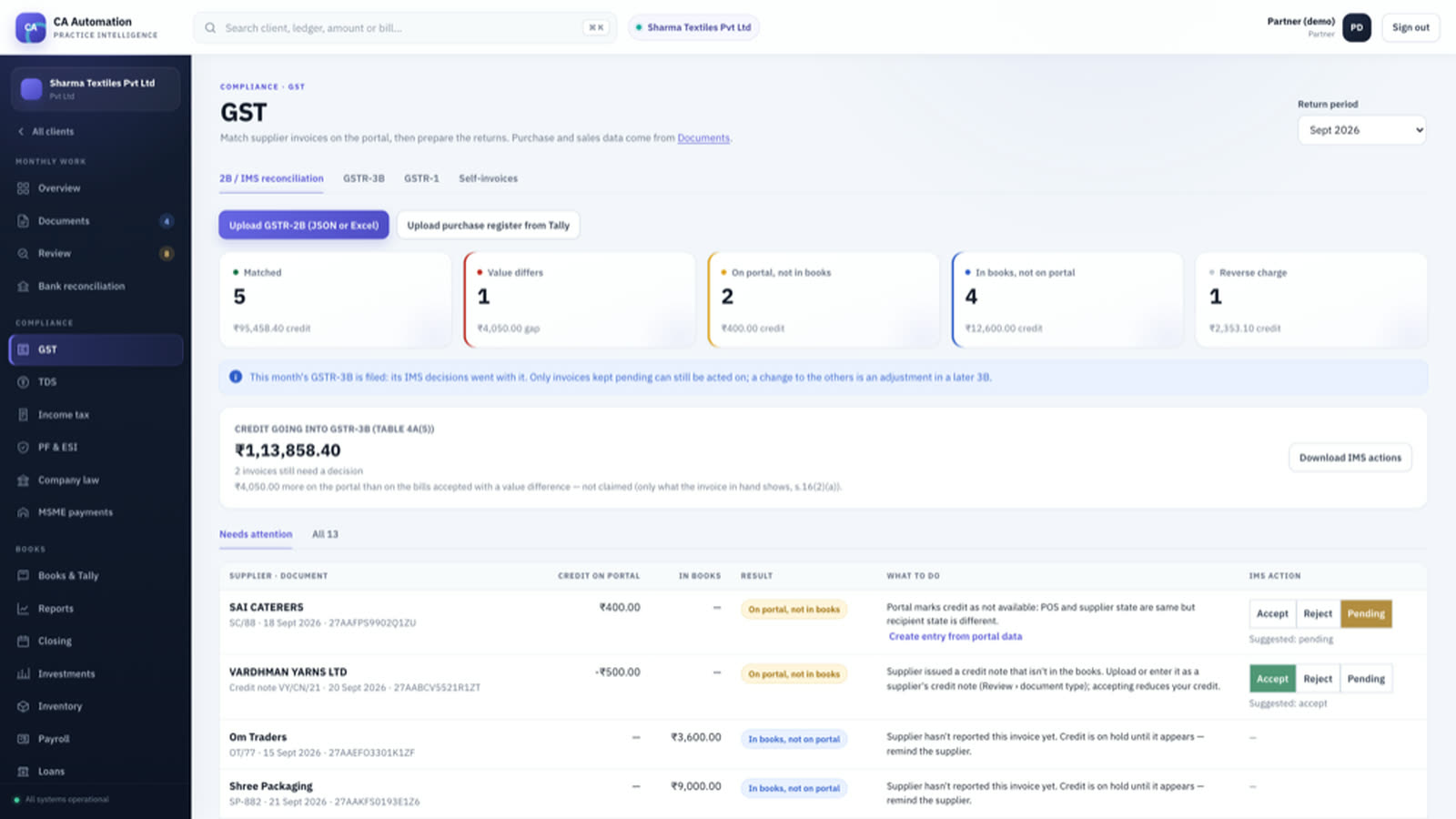
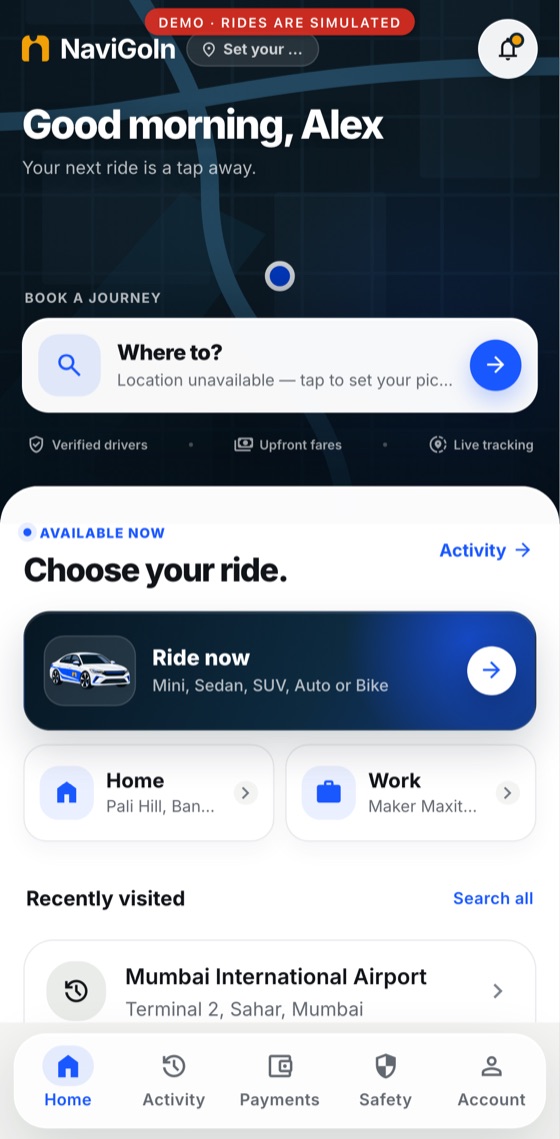
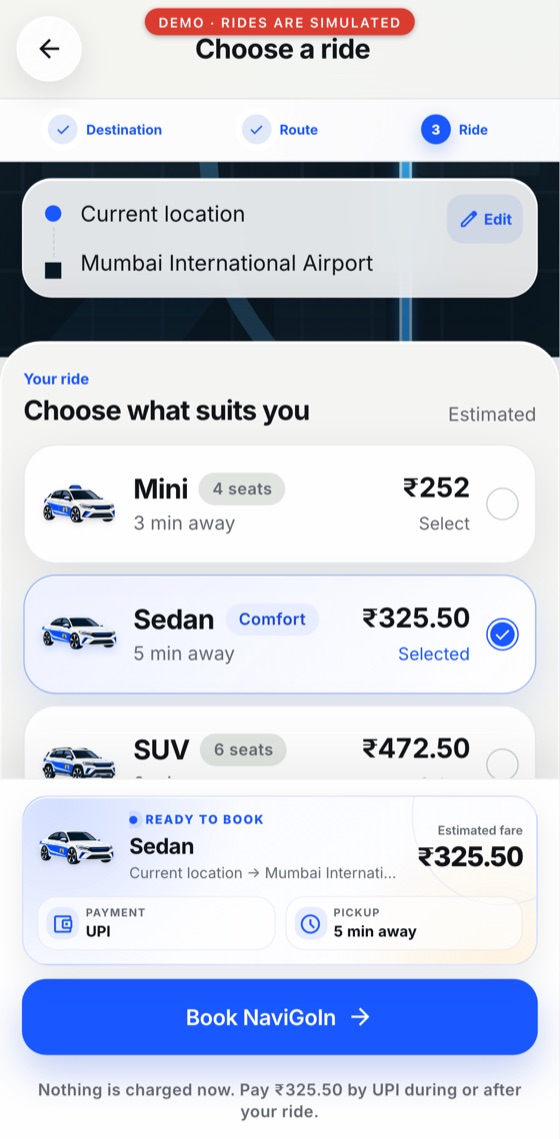
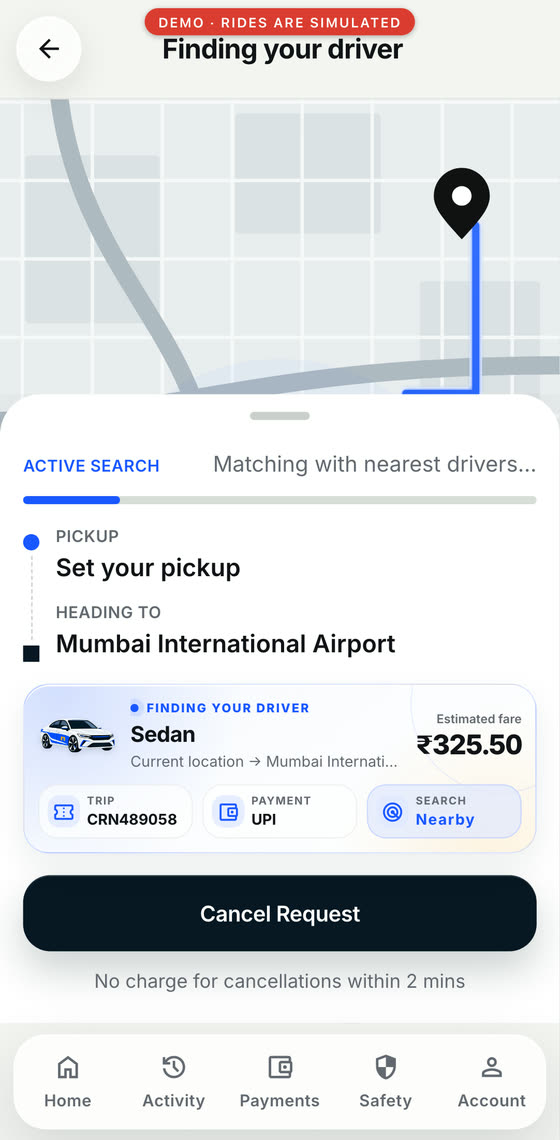
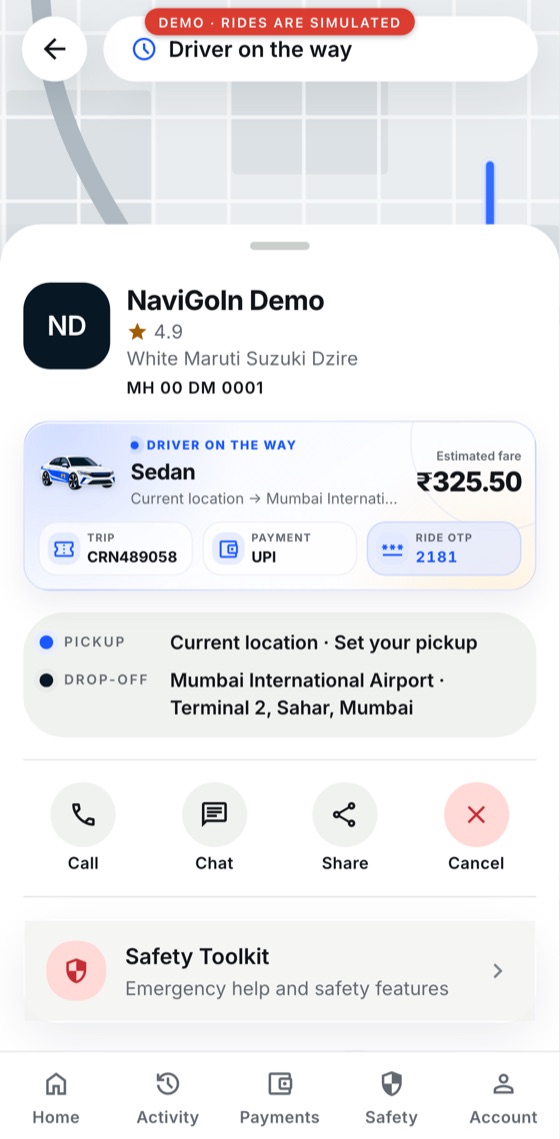
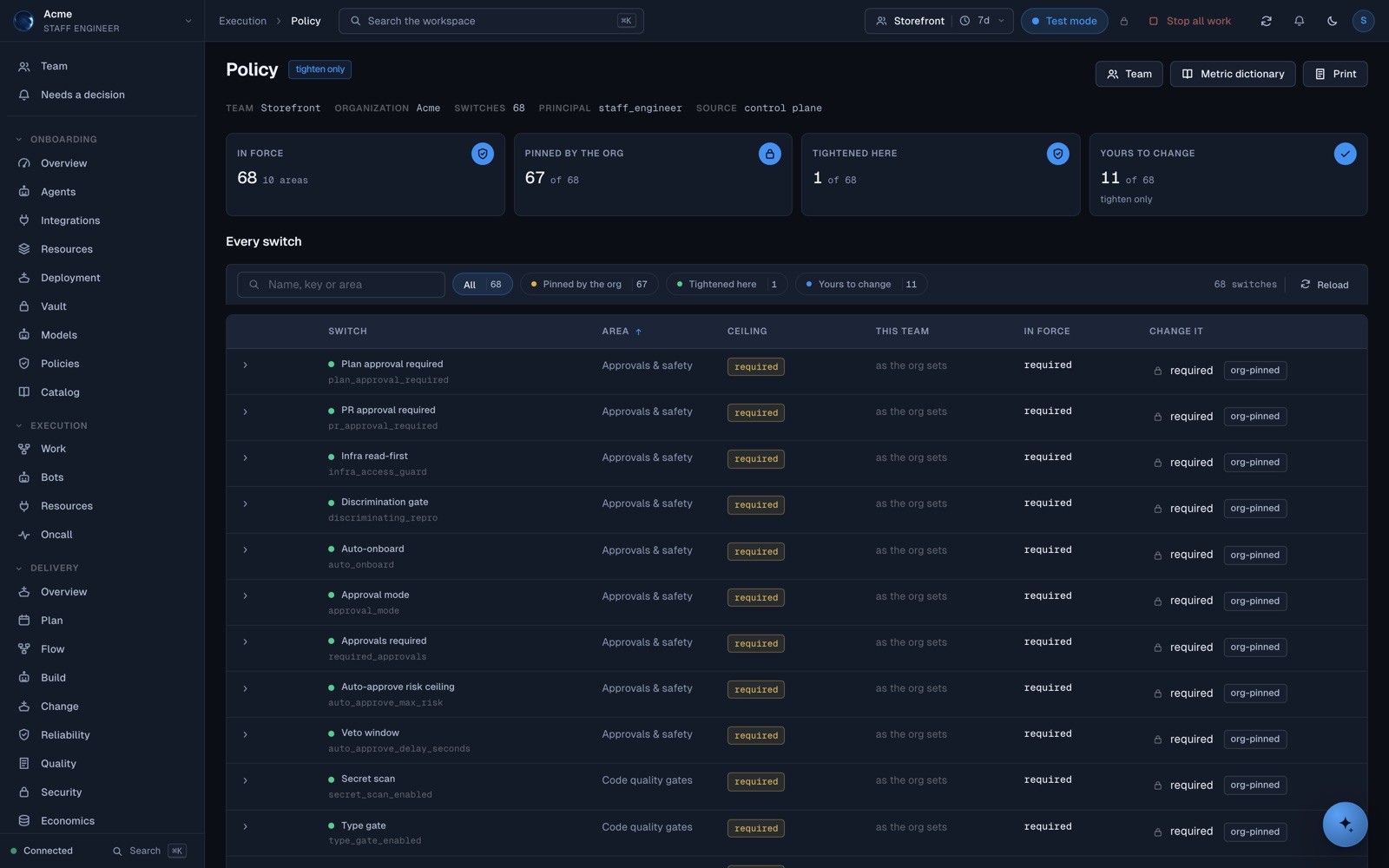
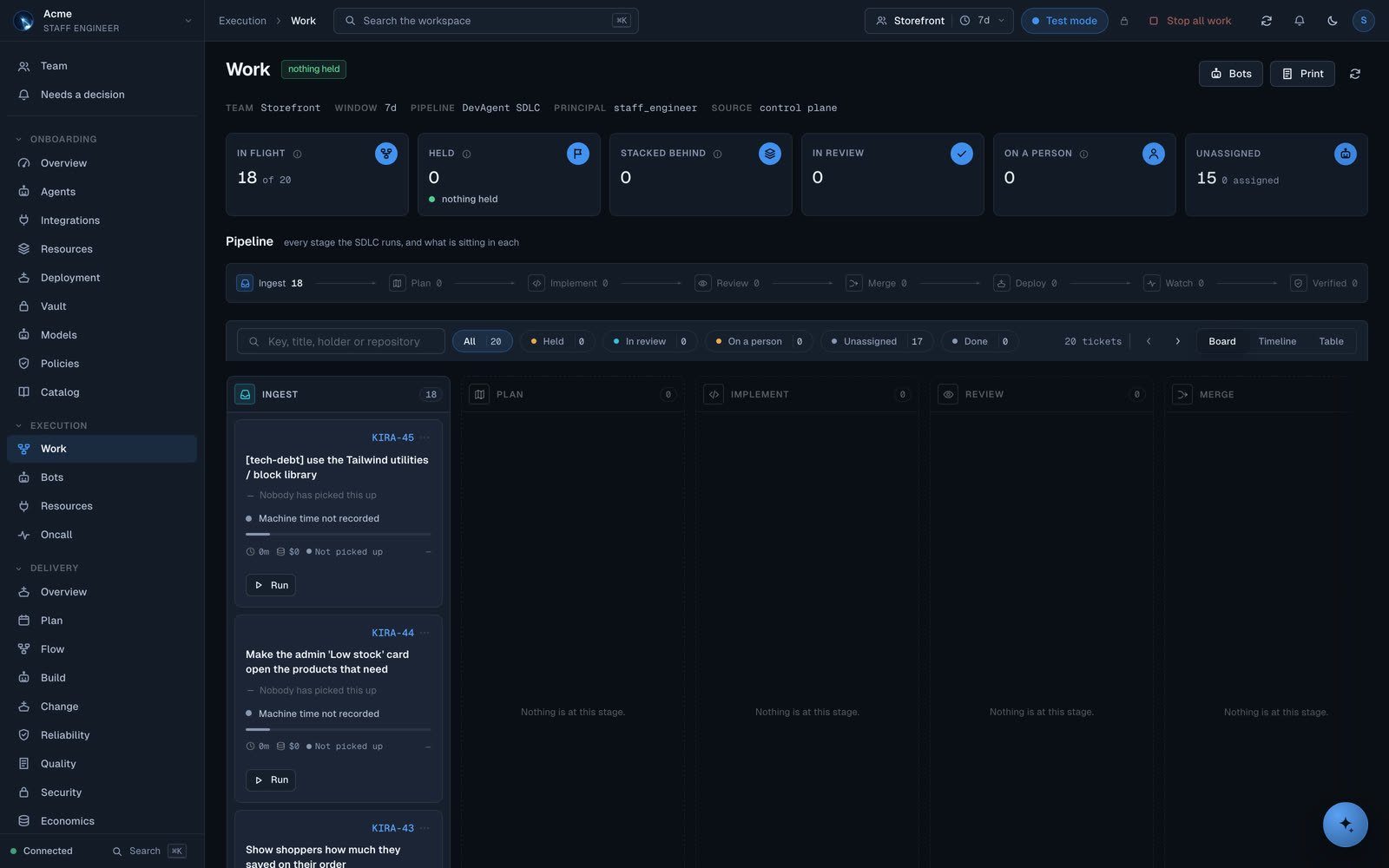
The control plane, on real screens
One ticket, intake to release
Intake
A ticket lands in the customer's own Jira. A bot with its own least-privilege identity picks it up atomically, exactly once.
Plan
A planning bot posts files, approach, risks and acceptance criteria to Jira, then stops. A person signs it off. Sign-off 1 of 3.
Contract
The signed PRD compiles into acceptance tests. Every test must fail before any code is written, and passes only on the exact candidate revision.
Build
Work splits into packets on distributed workers, with Redis leases, fencing tokens and work stealing. CodeBuild makes the image.
Verify
Credential-less Fargate sandboxes judge what was built, separately from where it was built. The change has to clear 14 deterministic gates.
Review
A peer bot with its own GitHub identity tears the PR apart first. Then a person approves it. Sign-off 2 of 3.
Merge
The merge button only arms on verified green. A person unlocks it. Sign-off 3 of 3. Org policy can pin approvals so teams can only tighten them.
Release & watch
The release ships and is watched after merge, with a revert alert on regression. Every decision is written to a hash-chained log.
Fourteen gates. No path around them.
Same ticket. Three eras of cost.
| Era | Team | Cycle | Cost / merged PR |
|---|---|---|---|
| Manual SDLC | 4–6 people | 1–2 weeks | $500–1,000 |
| + AI copilots | 4–6, faster typing | ~1 week | $400–800 |
| Toorunt AI | 0–1, approvals only | Hours · 2 h 36 m | $20–150 |